
Quick answer
Start a service business built on a skill you already have, sell it to one specific type of customer through people you already know, collect payment up front, and reinvest the first profits into tools and learning. You don't need capital to start. You need an offer, a customer, and the willingness to ask.
My first real client paid me $10,000 for a website. I didn't have investors, a loan, or an office. I had a laptop, marketing skills, and a free website I'd built for a mentor to prove what I could do. That one proof piece led to the introduction that became my first sale.
Money is rarely the missing piece. Understanding is.
Why “I need capital first” keeps people stuck
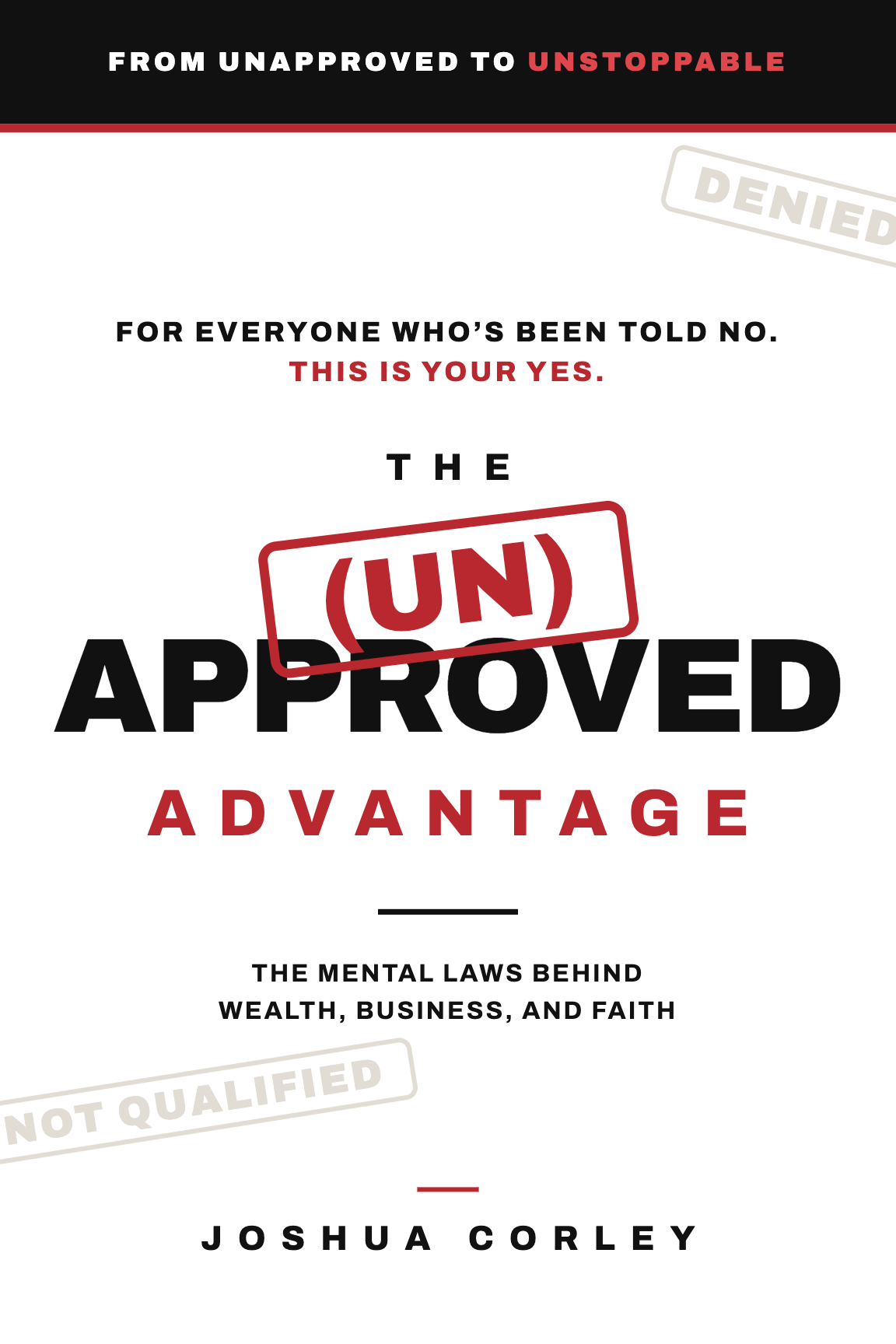
In my book, I call it the Approval Trap: waiting on money, permission, validation, readiness, or certainty before you begin. Money is the most common one because it sounds the most logical. But plenty of businesses start with almost nothing, because the first version is a service, not a factory.
Businesses you can start with little or no money
- Skill-based services — Web design, copywriting, bookkeeping, video editing, social media management, tutoring.
- Hands-on local services — Cleaning, lawn care, pressure washing, moving help, handyman work.
- Consulting — If you've done a job for years, someone will pay to learn what you know.
- Reselling and brokering — Connect buyers with sellers and earn a fee, without holding inventory.
- Digital products — Templates, guides, or courses, once you've proven people want the knowledge.
The 30-day plan
- Days 1–3: Pick your offer — Write one sentence: “I help [specific customer] get [specific result].” Pick the skill people already ask you for.
- Days 4–7: Build one proof piece — Do one project free or at cost for someone you respect, and get a testimonial. Show, don't tell.
- Days 8–14: Have 20 conversations — Friends, former coworkers, local business owners. Ask about their problems before you mention your offer.
- Days 15–21: Make offers — Use a simple close: “Your next step is…” Ask for a deposit or full payment up front.
- Days 22–30: Deliver and ask for referrals — Over-deliver, collect a review, and ask, “Who else do you know who needs this?”
Free tools that cover the basics
- A free website or link-in-bio page — So people can find and trust you.
- A free email address and calendar booking link — So you look organized.
- Free invoicing and payment tools — So you can get paid the day you finish.
- A simple spreadsheet — To track leads, conversations, and money in and out every day.
Protect your base while you build
I quit my job and jumped, and my first year was a struggle. Learn from that. Ask: How is my base covered while I learn? Keep your income while you build on the side if you need to. Cut your biggest expense. Quitting isn't the badge of honor. Building is.
Reinvest the first dollars
When my first big sale came in, I didn't spend it on myself. I invested it in books and sharpening my craft, because I never wanted a lack of skill to cost me months again. Your first profits should buy speed: better tools, education, or help with the work.
Do this this week
- Write your one-sentence offer.
- List 20 people to talk to.
- Offer one proof project to someone you respect.
- Set up a way to take payments.
Frequently asked questions
+What is the easiest business to start with no money?
Usually a service based on a skill you already have, because there's no inventory or equipment to buy. You sell your time and expertise first, then grow from there.
+Do I need an LLC to start?
Not always to begin testing an idea, but forming an entity and opening a separate business bank account early helps protect you and keeps your money organized. Ask an attorney or CPA what fits your situation.
+How do I get my first customer?
Through people you already know. Have real conversations, listen for problems you can solve, and make a clear offer with a simple next step.
+Should I quit my job to start a business?
Only when your base is covered. Many founders build on the side until the business can carry the weight.
Want help applying this to your business?
Fixing credit, getting funded, or growing your business — tell me where you are.
Let's Build →