
Quick answer
How do you sell without being pushy?
Honest selling means helping people decide, not pressuring them. Ask questions to understand their problem, explain clearly how your offer helps, name your price with confidence and follow up politely. If your offer isn't a fit, say so. Trust closes more deals over time than pressure ever will.
The framework
Your Next Step Is
Every sales conversation should end with a clear next step. "Your next step is…" is the bridge from interest to action. Without it, good conversations die in a maybe.
- 1.Understand — ask until you know their real problem.
- 2.Recommend — present one clear solution.
- 3.Advance — end with "Your next step is…"
The right sales mindset
If you believe your offer helps people, then not selling it is the selfish choice. That shift changes everything. You're not chasing a sale; you're helping someone solve a problem.
I learned sales selling high-ticket websites at 25. The lesson came quickly: people buy when they feel understood, not when they feel pushed.
Sell the way you'd want to be sold to: honestly, clearly and with respect for the other person's decision.
How to run a sales conversation
1. Set the agenda
"I'd like to learn about where you are, share how I might help, and if it makes sense, talk about next steps. Sound good?"
2. Ask, then listen
- What's going on that made you reach out?
- What have you already tried?
- What happens if nothing changes?
- What would a great result look like?
- What's held you back from solving it?
3. Summarize in their words
Repeat their problem back. When they say "exactly", you've earned the right to recommend.
4. Recommend one thing
Too many options create confusion. Give your best recommendation and why.
5. Advance
"Your next step is…" — a proposal, a deposit or a start date.
Handling objections honestly
Objections are usually questions in disguise. Get curious instead of defensive.
- "It's too expensive" — ask what they're comparing it to, and connect the price back to the cost of the problem.
- "I need to think about it" — ask what specifically they want to think through, and help them with that now.
- "I need to talk to my partner" — offer to join that conversation or send a clear summary.
- "Now isn't a good time" — ask what would make it a good time, and what waiting will cost.
And sometimes the honest answer is: this isn't a fit. Saying so builds trust and referrals.
Pricing with confidence
Price on the value of the result, not the hours it takes you. State your price clearly, then stop talking. Discounting at the first sign of hesitation teaches buyers to negotiate.
The fortune is in the follow-up
Many deals close after several touches, yet many people give up after one. Build a simple follow-up rhythm: a recap the same day, a check-in a few days later, then helpful value every week or two until they decide.
Do this this week
- Write your five discovery questions.
- Practice summarizing a customer's problem in one sentence.
- End every sales conversation with "Your next step is…"
- Follow up with every open lead you have.
Key takeaways
- Selling is helping someone make a decision.
- Ask and listen before you recommend.
- Present one recommendation, not a menu.
- Treat objections as questions.
- Always end with a clear next step — then follow up.
Frequently asked questions
How do I sell without being pushy?
Focus on questions and listening. When you understand the customer's problem and only recommend what genuinely helps, selling feels like advising.
What are the best sales techniques for beginners?
Set an agenda, ask open questions, summarize the customer's need in their words, make one recommendation and end with a clear next step.
How many follow-ups should I do?
Keep following up with value until you get a clear yes or no. A respectful, helpful cadence rarely annoys people who are interested.
How do I handle price objections?
Get curious about what they're comparing to, reconnect the price to the cost of their problem, and avoid discounting just to close.
Related articles

About Joshua Corley
Entrepreneur, investor and author of The Unapproved Advantage. Joshua started his first business at 25 designing high-ticket websites, has built 25+ digital products and founded Remove Credit.
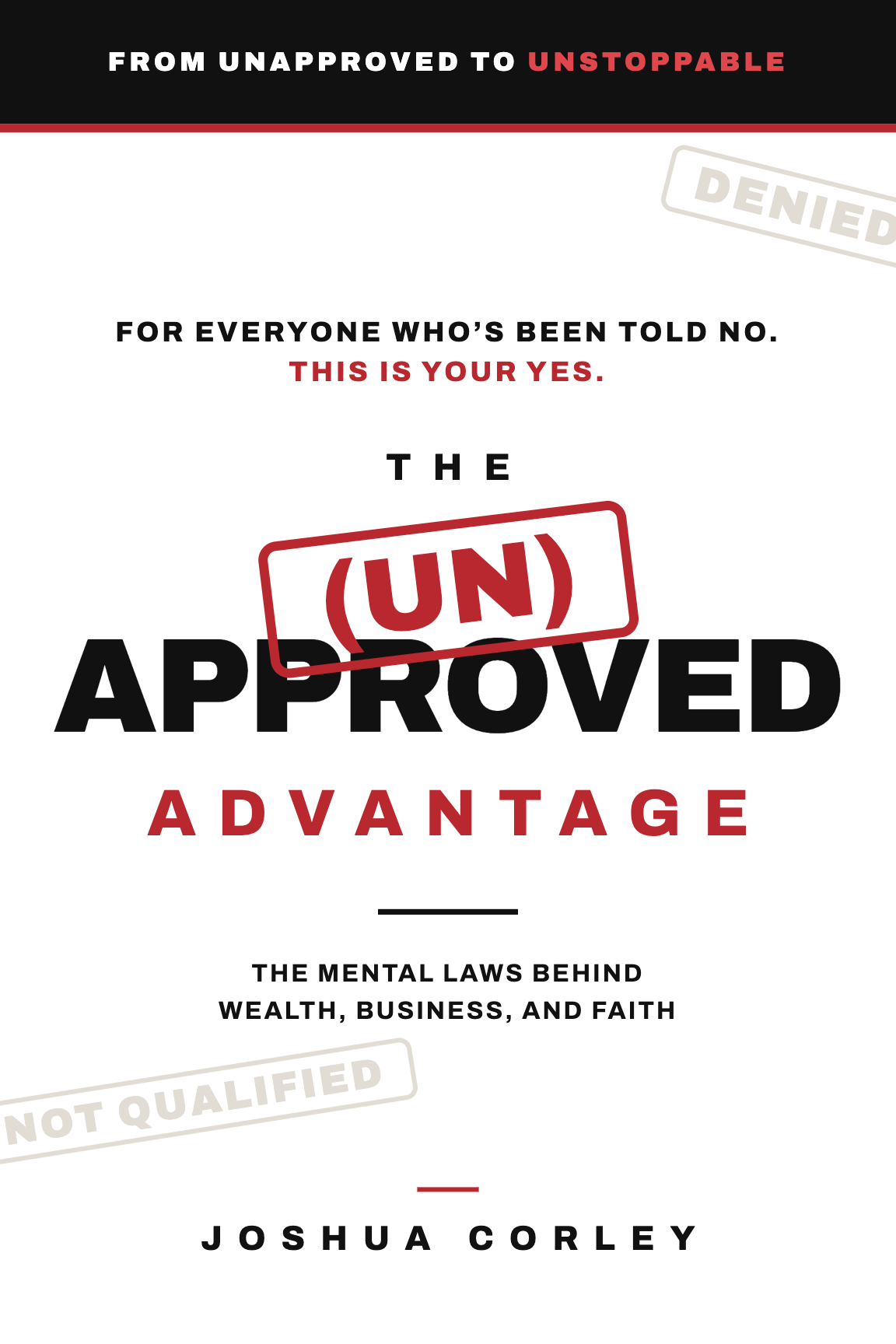
From the book
The Unapproved Advantage
The Mental Laws Behind Wealth, Business, And Faith
The mental laws behind every guide, in full.
Explore the book